by:
10/09/2026
0
Proverbs 31:10–12 asks, “Who can find a virtuous woman? for her price is far above rubies.” Her husband safely trusts in her, and she does him good all the days of her life. Proverbs 18:22 adds, “Whoso findeth a wife findeth a good thing, and obtaineth favour of the LORD.”
Interestingly, God's word uses the same word picture in Proverbs 3:15 for wisdom and in Proverbs 31 of a wife. The value of rubies. She is a really Good "Thing," and God said, "It is NOT good that the man should be alone."
On Friday, September 26, 2026, my sweetheart had a heart attack. It took us all by surprise, especially her. What follows grew out of the thoughts, prayers, lessons, and blessings that came minute by minute as we walked through that experience. Beverly is recovering well, but the event awakened in us a new awareness of how quickly life can change and how carefully we should listen to the people we love.
At the hospital, exhaustion and concern made rest difficult. I watched every movement, prayed often, and thought about what I could have noticed sooner. She had experienced trouble for a month or more without saying anything, and even on that Friday she did not describe her symptoms until late in the evening. I recognized them when she finally came to me, but I also realized that I could not admonish her for waiting: I have often done the same thing. We both learned that speaking up early is not weakness; it is wisdom.
Heart attacks do not always look the way they are portrayed on television or in movies. Years ago, during my Marine Corps service, a Gunnery Sergeant acted unusually for much of the day. Everyone noticed, yet no one intervened until hours later, when the right questions were finally asked, and he received help. He survived, and the experience taught me a lasting lesson: do not ignore subtle warning signs or assume that a strong person will recover without help.
Recovery, Gratitude, and Responsibility
My “good thing” is not broken, but this experience has made me more aware of her need for time, patience, and care. She is accustomed to doing more than most people and is eager to return to normal activity. My challenge is to encourage recovery without allowing fear to become overprotection. We are learning to follow medical guidance, pay attention to her strength, monitor concerns responsibly, and allow healing to proceed one day at a time.
The Dr said normal life as you feel comfortable. I am not comfortable yet. I am constantly tracking the bottle of Nitro and her blood pressure. I am deeply grateful that she is recovering so quickly and has been able to return to work. We were extraordinarily blessed. Although her doctors found no measurable damage, the experience should not be treated lightly. Our responsibility now is to support continued strengthening through appropriate conditioning, healthier habits, honest communication, and the wisdom to seek help when warning signs appear.
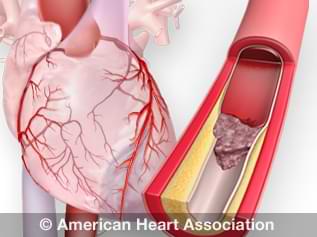
Heart Attack Warning Signs
Chest discomfort: Pressure, squeezing, fullness, or pain in the center of the chest that lasts more than a few minutes or goes away and returns.
Upper-body discomfort: Pain or discomfort in one or both arms, the back, neck, jaw, or stomach.
Shortness of breath: This may occur with or without chest discomfort.
Other signs: A cold sweat, nausea, lightheadedness, unusual tiredness, weakness, anxiety, or pressure in the upper back.
Less Commonly Recognized Heart-Attack Signs in Women
Chest pain or discomfort remains the most common heart-attack symptom in women, but women may also experience warning signs that are less often associated with a heart attack. These symptoms may occur with or without chest discomfort and should not be dismissed as stress, indigestion, or ordinary fatigue.
- Upper-back pressure: A squeezing sensation or a feeling like a rope is being tied around the upper back.
- Anxiety: A sudden or unusual sense of anxiety that may accompany other symptoms.
- Upset stomach: Nausea, vomiting, indigestion, heartburn, or discomfort in the upper abdomen.
- Pain outside the chest: Pain or discomfort in the shoulder, back, arm, neck, jaw, or throat.
- Unusual tiredness or weakness: Extreme or unexplained fatigue, weakness, or a noticeable drop in stamina.
- Shortness of breath: Difficulty breathing that may occur before, during, or without chest discomfort.
- Lightheadedness or fainting: Sudden dizziness, feeling faint, or loss of consciousness.
- Sleep disturbance: Unusual difficulty sleeping, especially when it occurs with other warning signs.
Stroke Warning Signs: B.E. F.A.S.T.
B — Balance: Watch for sudden loss of balance, poor coordination, trouble walking, or dizziness.
E — Eyes: Notice sudden blurred or double vision, or loss of sight in one or both eyes.
F — Face: Ask the person to smile. Does one side droop or feel numb?
A — Arms: Ask the person to raise both arms. Is one weak, numb, or drifting downward?
S — Speech: Listen for slurred, difficult, or unusual speech.
T — Time: If any of these signs appear, even if they go away, call 911 immediately.


 Live Steaming

 Groups

0 Comments on this post: